The self-storage development landscape has changed quite a bit over the past decade. A lack of available land and fluctuations in market demand have left limited options for viable projects. How do you know which markets provide the best opportunity? What’s the right product type for the area? How do you determine the right site layout and unit mix?
The self-storage design process can be overwhelming for newcomers and seasoned developers alike. It’s full of intricacies and nuances, and success requires forethought, thorough research and attention to detail. Below, I discuss some of the factors that impact decisions regarding facility type, site layout and unit mix, and how they influence your final product.
Zoning and Building Codes
In self-storage development, site layout and unit mix begin to take shape at the site-selection phase. Limited land availability can force you to get creative with tricky parcels or deal with challenging jurisdictions.
Related:Aesthetic Transformation: The Trends Impacting Self-Storage Design in 2026
Once you’ve identified a promising site, research the zoning to ensure self-storage is an allowable use and identify the process for getting project approval. This is key to finding the applicable development standards. Fortunately, most jurisdictions post their building codes online now, which allows you to do a bit of legwork before meeting with city planners or hiring team members.
This crucial step needs to be complete before any design work begins to ensure the layout follows the guidelines set forth by the jurisdiction and you understand the maximum square footage you can achieve. Building codes can be dense and complex in some places, so talk to city or county staff to ensure you have the right information. They may even have a hard time interpreting their own standards!
To ensure a more fruitful, accurate conversation with these officials, be prepared. Consider contracting an experienced industry consultant for the initial research to ensure you you’re gathering all necessary information. It pays to spend some quality time—and potentially money—up front to flush out some of more critical details.
Facility Type
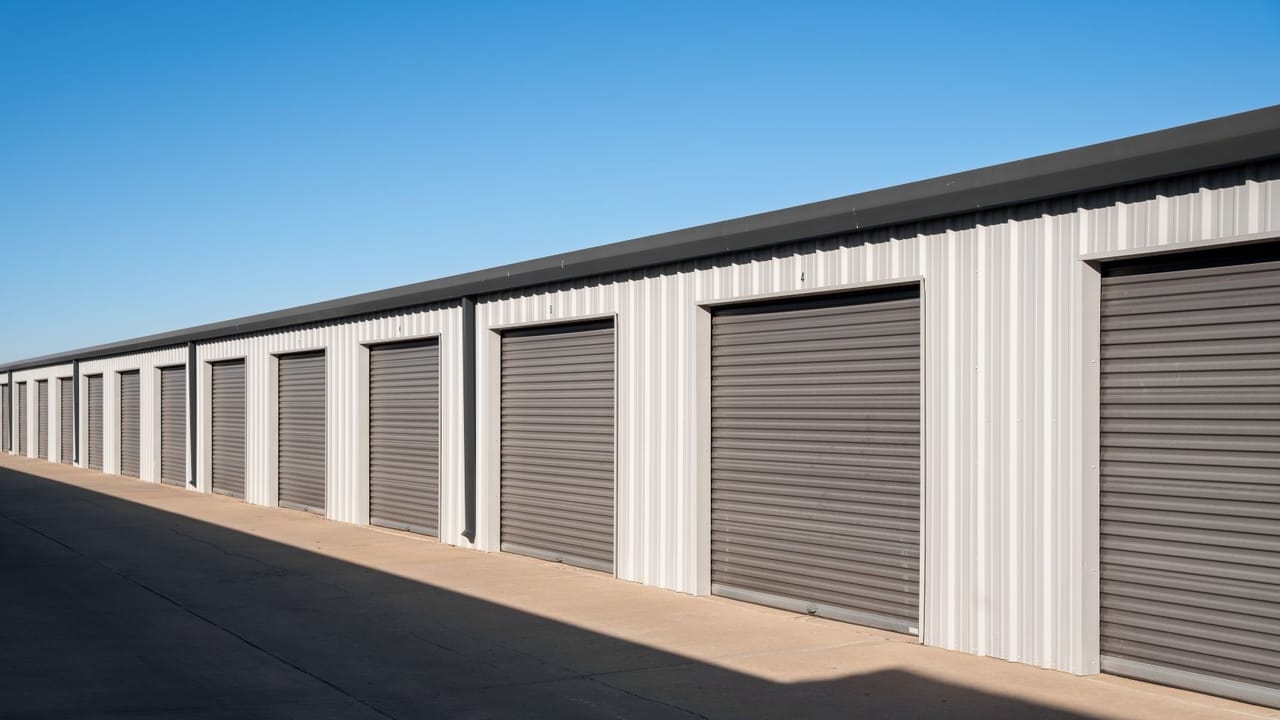
The next step is to determine what type of self-storage facility is the best for the market. Typically, you’ll see more sprawling single-story, drive-up facilities in suburban and rural areas, where it’s easy to find large parcels. When you move closer to the urban centers, land tends to be sparser and more compressed, which can lead to multi-story developments.
As part of this decision-making process, take note of the self-storage competition, including the type of facilities they operate and the sizes of their units. Most of this information can be obtained from a feasibility study.
Related:By Women, for Women: Montreal Mini-Storage and Its Female-Centric Facility in Quebec, Canada
Once you’ve completed your research, it’s time to hire a design professional with self-storage experience to assist with the initial site planning. (If you’re a first-time developer, most lenders will require a project team with a wealth of expertise and a good track record. They understand that inexperienced consultants can lead to faulty layouts, costly delays, and frustrated clients and investors.)
Your designer will take into account all the information you’ve gathered as well as your preferences as the developer or owner. If you’re planning to hire a third-party management company, include them in the conversation from the start, as they can provide valuable input regarding things like traditional vs. climate-controlled units, average unit size and quantity, elevator quantity and placement, etc.
General Design Guidelines
Each self-storage site is unique, and there can be many ways to develop a property so that it meets local requirements. Let your market dictate a targeted approach. For instance, the jurisdiction may allow for multi-story, but a survey of competitors may reveal that the hot commodity is drive-up units. Work with your design team to determine what type of building will be best for the site and the customer base.
Related:Supersizing Your Next Self-Storage Development—and Its ROI—With Superwide Buildings
Regardless of the type of facility you build, here are some general design guidelines:
Site access. There should be ample room for customers to maneuver in and out of the parking area. There should also be plenty of space between the gate and the street to permit the stacking of vehicles as they enter the property. This becomes even more crucial when designing a property for boat/RV storage.
Parking. Requirements are dictated by the jurisdiction and are often excessive, as self-storage is often lumped in with warehousing. If you can work with the city to reduce the required parking, this can open up more building area. In general, there should be five or six dedicated spaces near the management office. The remaining parking can be sprinkled throughout the property.
Drive aisles. These should have a minimum width of about 28 feet. It’s vital to leave enough space for vehicles to circulate around tenants who are loading/unloading. Also, check with the local fire department early, as they can often dictate aisle widths and will have specific turning-radius requirements. Consider adding specified loading areas to help reduce travel distances for your tenants and prevent bottlenecking in the aisles.
Building placement. This is largely determined by the site’s encumbrances, which include setbacks, floor-area ratio, lot coverage, easements, water sheds and the like. As a general rule, the management office should be as close as possible to the main right-of-way for maximum exposure. Topographical issues can often be overcome by using grades to your advantage.
Unit Mix
Once you’ve finalized the site layout, the design team can move on to the ever-important unit mix. This is really where you start to see the self-storage operation take form and the functionality of the property become evident. Again, if you’re planning to hire a third-party management team, this would be an optimum time to have them advise on what they’re seeing in the market, as this will have a direct effect on lease-up time.
In addition to meeting demand with the appropriate quantities of various unit sizes, pay attention to hallway widths (typically 5 feet minimum), loading/unloading areas, cart storage and tenant travel distances. (A general rule of thumb is a maximum travel distance of 160 feet to any unit.) If these elements aren’t addressed adequately and early, facility staff will be left to sell an inferior product in a market that contains modern competition, and the operation’s bottom line will suffer.
Self-storage unit mix can vary greatly based on the type of product being built, the geographic location, market conditions/demand, management/ownership preference and competing facilities. Always consider which unit types and sizes are in highest demand in the market. It might be 10-by-20 drive-up spaces or 5-by-10 climate-controlled units. Sizes tend to be smaller in dense urban centers (average of 80 to 90 square feet or smaller) than in suburban and rural areas (average of 140 to 150 square feet, particularly when serving boat/RV customers). A healthy mix will contain a wide array of sizes to meet the needs of all potential tenants.
Industry Support
When it comes to real estate development of any type, the first steps can be some of the most crucial of the entire project. This definitely holds true with self-storage. The site layout will dictate the functionality and user-friendliness of the facility, whereas the unit mix remains critical to shoring up the needs and demands of the surrounding marketplace. It’s extremely important to consult with professionals—architects, civil engineers, land-use attorneys, management companies, feasibility experts, etc.—who are experienced in the industry to give your final build the best shot at success.
Take the time to thoroughly educate yourself on the process and product types, as some of the most thoughtful designs are born out of knowledgeable, designer/owner dialogues and brainstorming. Industry conferences, tradeshows and other events take place year-round and can provide both high-level and detail-oriented information about all things self-storage. Finally, don’t be afraid to reach out to an industry professional for guidance.
David Meinecke is vice president of Jordan Architects, a design firm that specializes in self-storage, custom residential, hospitality, multi-family and retail projects as well as land planning. He has more than 14 years of experience in self-storage design and development. A member of the Self-storage Association’s Young Leadership Group, he holds a bachelor’s degree from the University of San Diego and is an associate member of the American Institute of Architects. For more information, call 949.388.8090 or email [email protected].